We’re collaborating with nature – while enjoying it – to solve local climate stresses.
Key Work Ahead
Pocket Forest Sites
- in heat island neighborhoods
- with committed community care
Workshop: How To Plant a Pocket Forest
- for planning, planting, and maintaining
- with a plot soil-prep demonstration
Summer Internships
- three paid weekends in July ’27
- for six high school students
- to experience the school forest
- through hands-on data gathering
- professionally designed & supervised
Elementary Mini-Lessons
- teacher-created standards-aligned
- math and science mini-lessons
- based on the Lowell School forest
- to plug-and-play in any grade school
- made available free online Oct ’27
Specific Steps in the Seasons Ahead
Fall, Winter 2026 MappingJanuary–March 2027 SitingFebruary-April 2027 WritingApril or May 2027 LearningSpring–Summer 2027 EngagingMay–July 2027 InterningJune–August 2027 Teaching
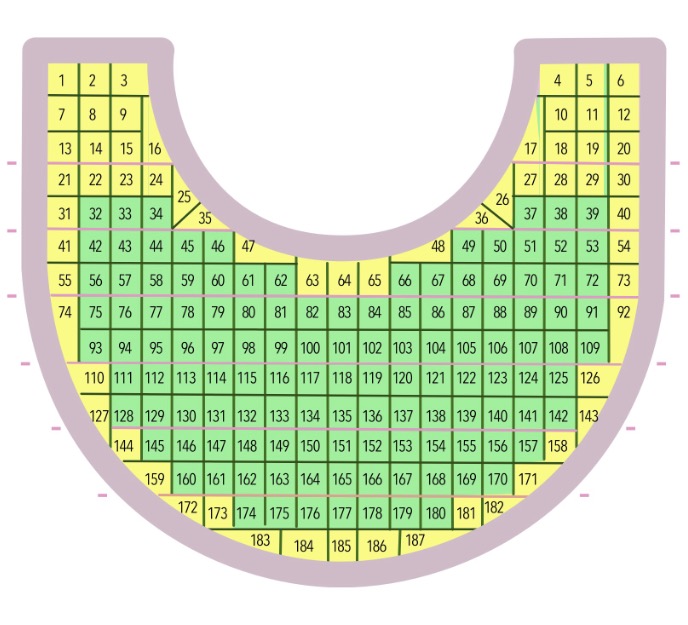
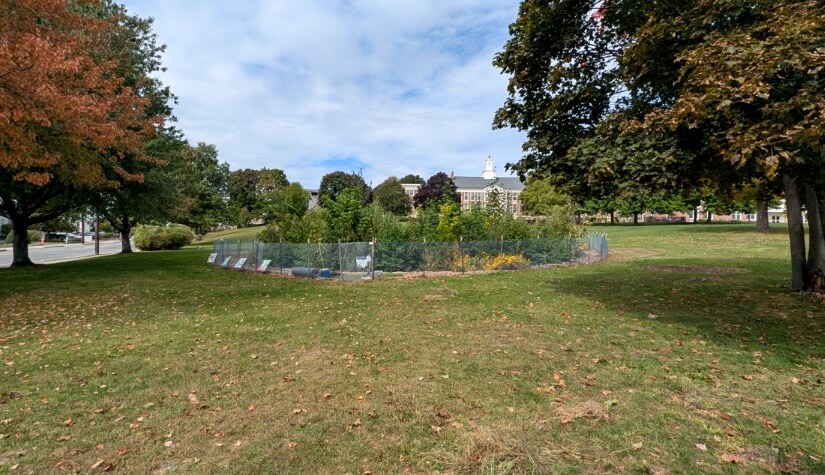
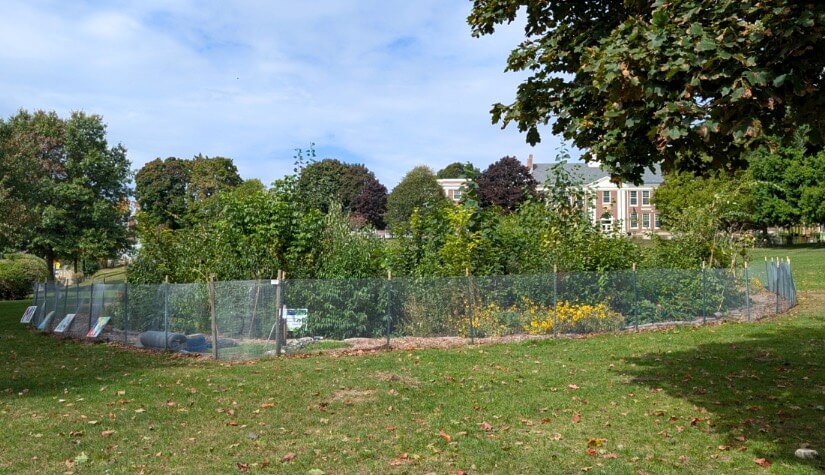
A plan of the forest’s 187 planting spots
Mark, Map, and Inventory the Forest
For the next two years, we want to continue documenting tree health and soil composition.
Planting spots were initially marked with twine that has since decomposed and needs to be replaced.
On warm-enough afternoons, volunteers will replace twine with cord and will map which trees are in which spots.
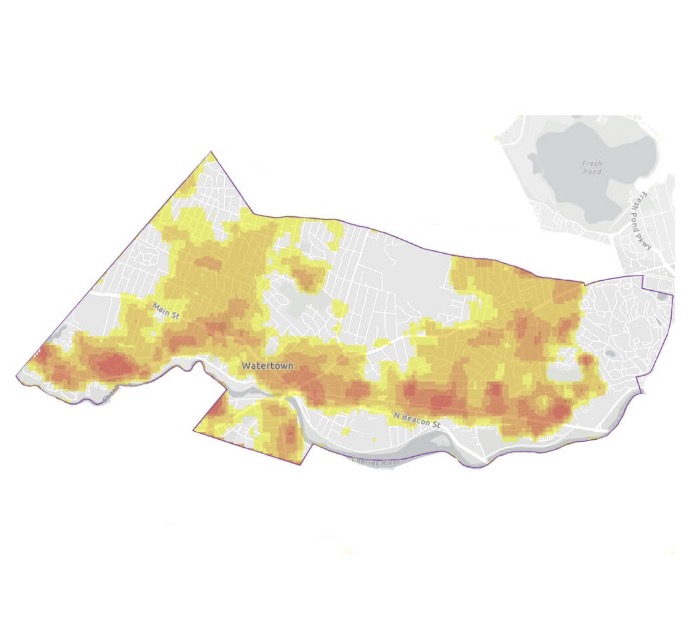
Pocket Forest Siting
Watertown’s hot spots (“heat island neighborhoods”) can be cooled with green infrastructure – growing plants. “Pocket forests” of 20 to 30 trees can perforate the heat islands, because trees are our outdoor airconditioners.
The City’s Climate and Energy Plan calls for more green open space, especially in climate-vulnerable areas.
We hope to collaborate on finding a potential site for a pocket forest planting in the fall of 2027.
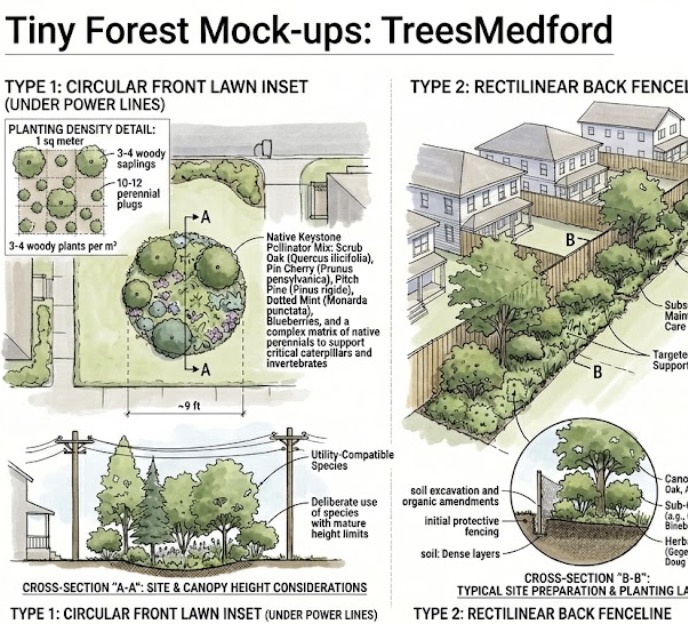
“Community Trees and Tree Communities”
A series of articles and newsletters attracting a few key volunteers to the Pilot Heat-Island Pocket Forest project and advancing the rationale for pocket forest plantings.
Collaborate with guest writers from other organizations such as TreesMedford, where the “100 Tiny Forests” Project is underway.
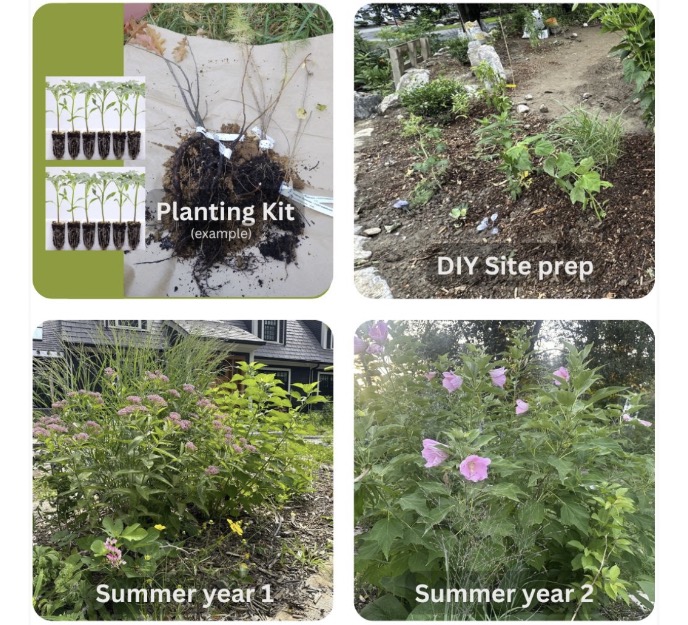
Lexington’s “Habitat Patch” example
“How to Plan a Pocket Forest”
- a free four-hour workshop on planning, planting, and maintaining a pocket forest
- a demonstration of low-labor soil preparation
The hope is to select a plot this winter and prepare for a fall 2027 planting.
Lexington’s “Habitat Patch” program and the TreesMed
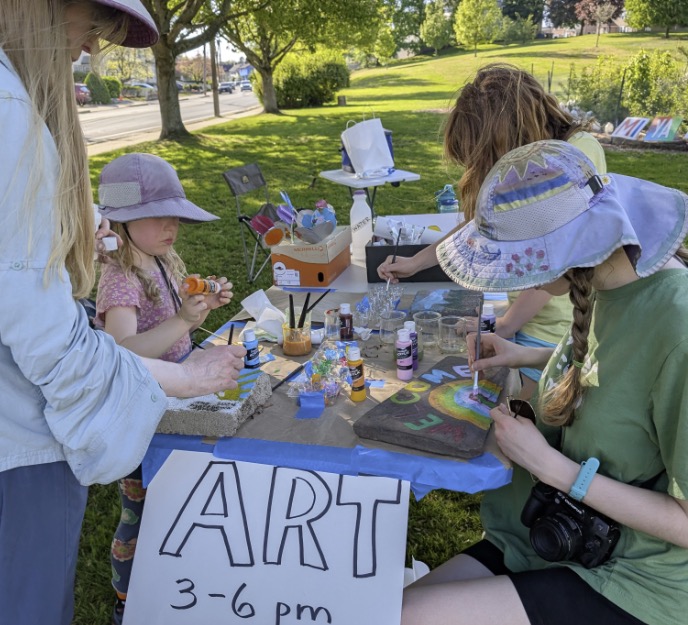
In Warm Weather, Kids at the Forest
- Art Afternoons painting things for the forest:
- stepping stones and rocks
- CDs and other fence art
- Nature detectives exploring near the forest
- with bug vacuums & magnifying glasses
- with tree measuring and bird watching
In Cold Weather, Kids at the Library
Focusing on forest-related art and science projects for K-5th graders.
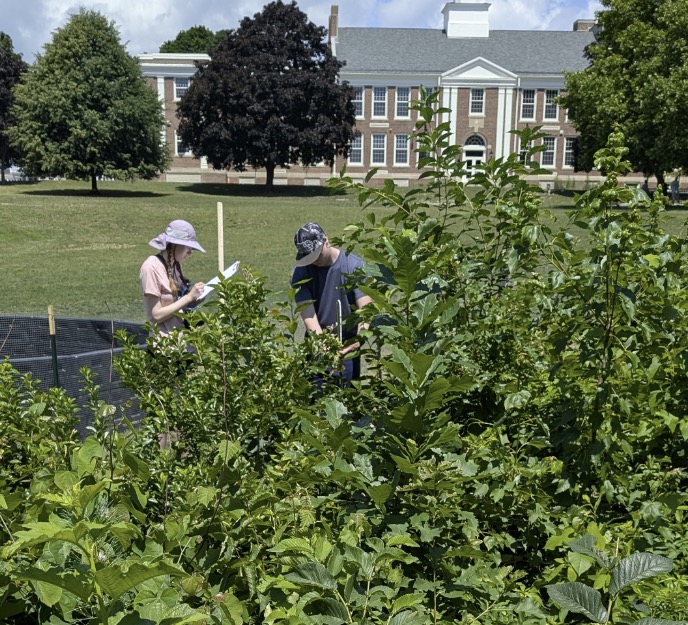
Forest Internships
A professionally designed paid internship for six high school students to experience the Lowell Miyawaki forest through observation and hands-on data gathering over three weekends in the summer.
A consultant will design, supervise, and evaluate the program in collaboration with FFW/TFW.
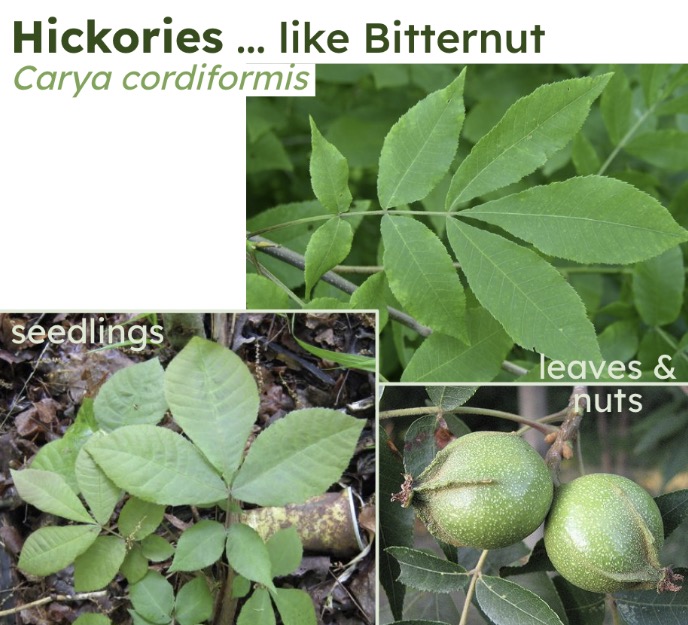
Elementary School mini-lessons in math and science
Teacher-created standards-aligned mini-lessons based on the Lowell School forest that are easy to plug and play into grade school curricula.