Forests for Watertown is a working group of Trees for Watertown focused on urban micro-forests.
Inspiration – The Miyawaki Method

We are inspired by the Miyawaki Method, named after Japanese botanist Akira Miyawaki (1928-2021).
The method skips over the “successional stages” of a natural forest, in which a patch of bare land must be left alone for centuries as it grows weeds, then shrubs and fast-growing fast-dying “pioneer” trees, that are replaced by “climax forest” trees that can live hundreds of years.
The Miyawaki Method …
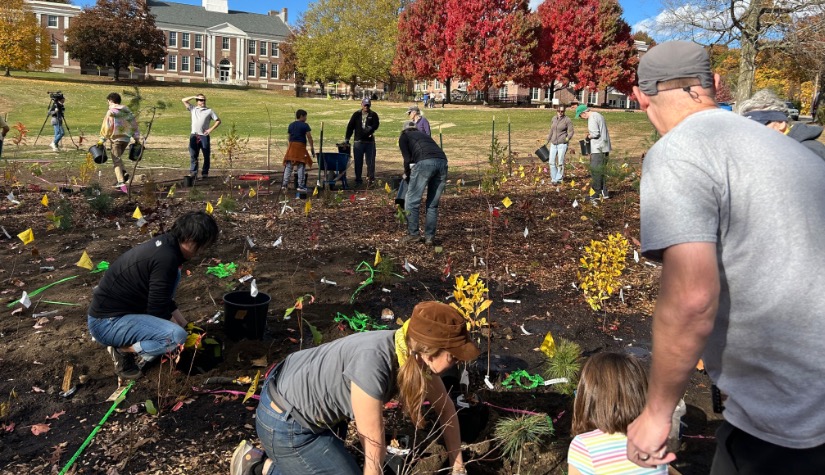
- loosens the compacted soil (as weeds and pioneer trees would do naturally)
- adds organic matter to feed soil microorganisms (as the decaying weeds and pioneer trees do naturally)
- plants only “climax” tree species, very densely, to promote fast, upward growth
Purpose – Collaborate with Nature
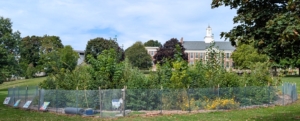 We hope the Lowell School forest is the first of several plantings that will…
- Awaken community connection to nature through observing the forest’s growth over time, enjoying its shade and birds and insects, and experiencing a little urban patch of wild nature.
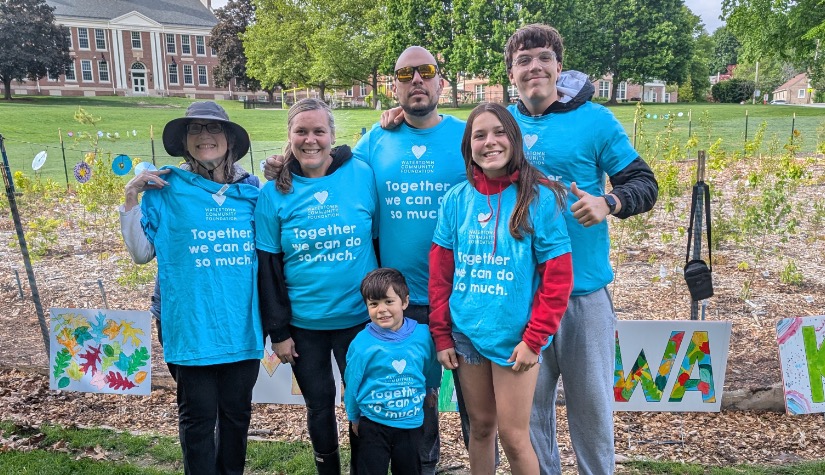
- Engage youngsters and adults as volunteer citizen-scientists observing, documenting, and protecting this and future baby forests.
- Create self-sustaining mini ecosystems that enhance the microclimate of their urban neighborhoods by cooling and cleaning the air, offering habitat to biodiversity, and boosting resilience to extreme weather events.
May 2026 – Creating Community, One Micro-Forest at a Time | Watertown News
August 2025 – LETTER: Giving Thanks to Watertown for an Urban Forest with a Future
November 2024 – LETTER: Giving Thanks to Watertown Forest Makers
August 2024 – Find Out About Watertown’s Miyawaki Forest Saturday
June 2024 – Watertown’s First Miyawaki Forest to be Planted This Fall
May 2024 – Bosch Fund Gives Trees for Watertown $25K Grant to Start City’s First Miyawaki Forest
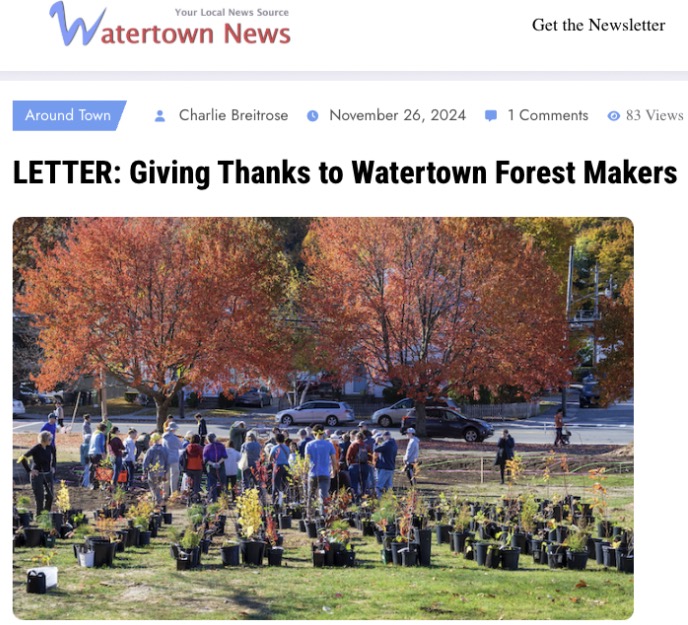
2026 Newsletters: Spring 2026
2025 Newsletters: Fall 2025 • Feb 2025
2024 Newsletters: Oct 31, 2024 • Oct 20 • Oct 18 (to Lowell School community) • Sept • July • (July) Volunteer Opportunities • May • Feb 2024
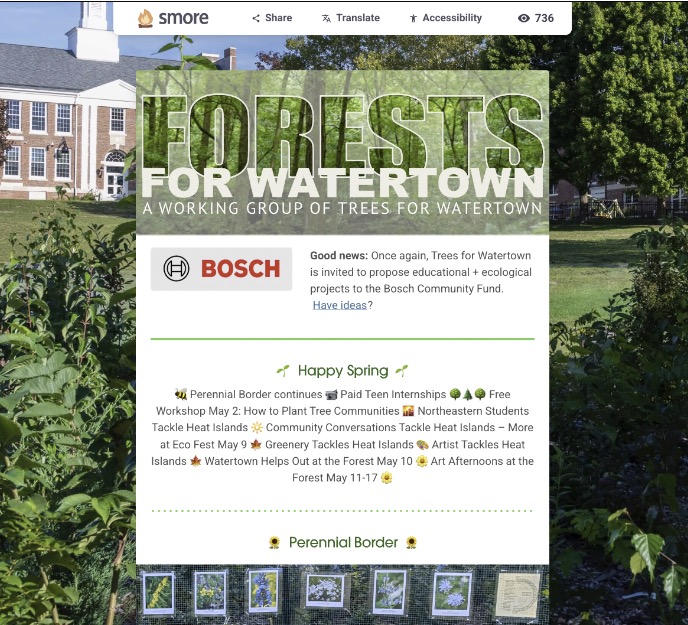
April 2024 – A charming WCA-TV micro-documentary
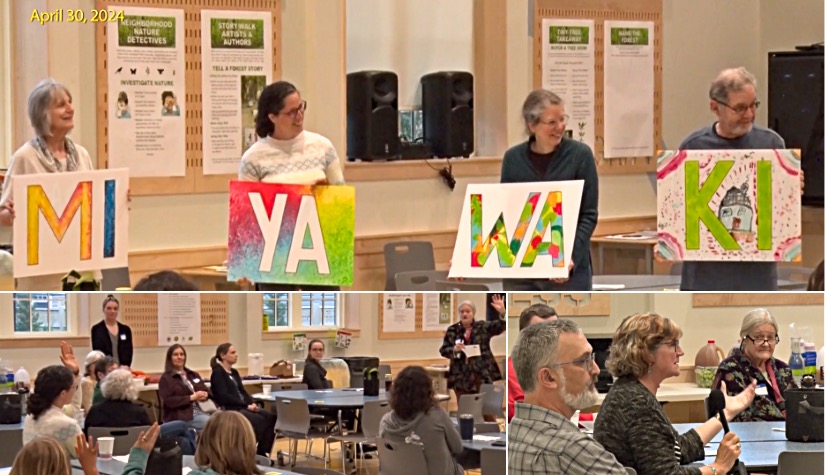
April 2024 – Community Meeting: Forests for Watertown – http://vodwcatv.org/internetchannel/show/3172